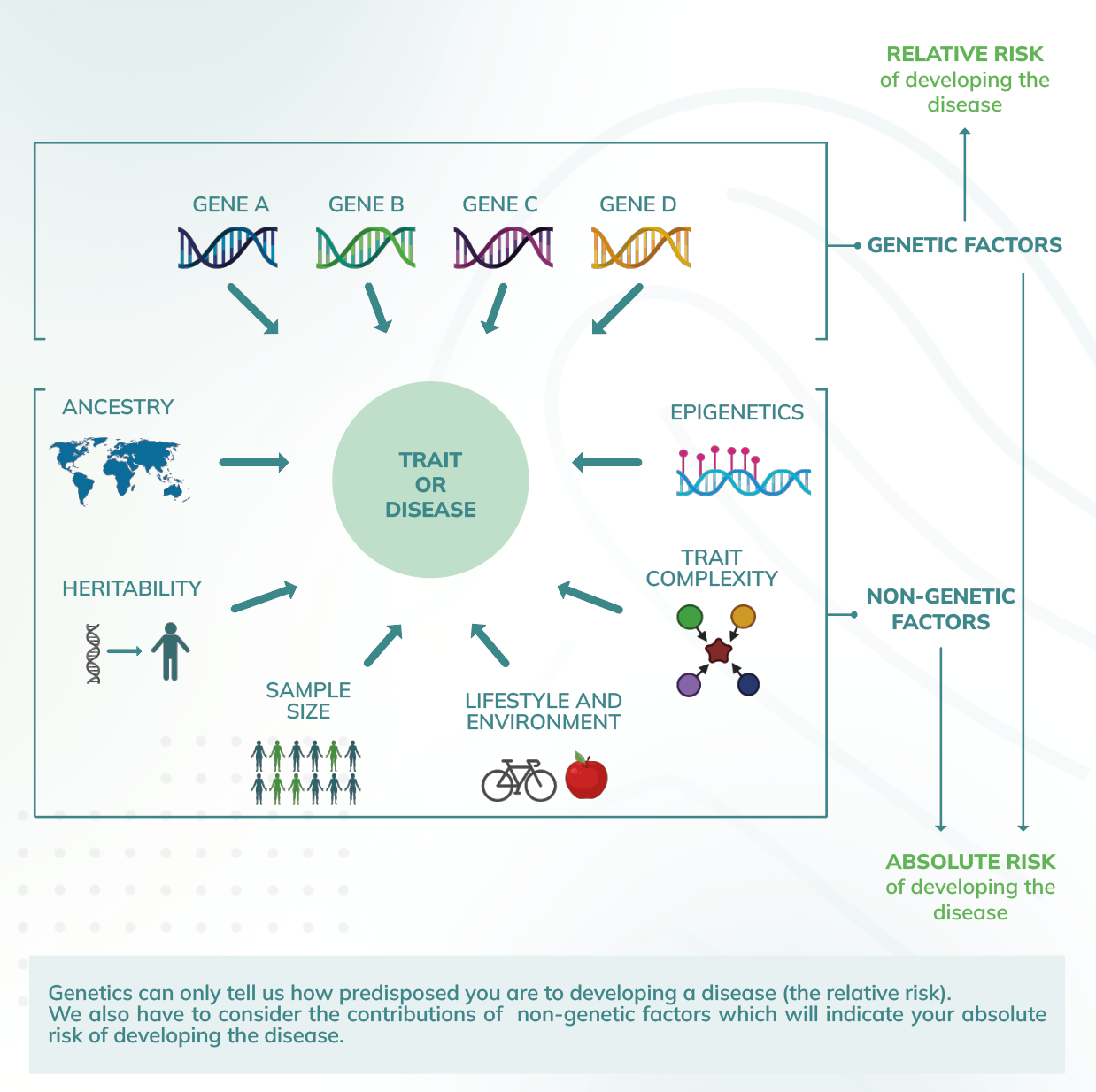
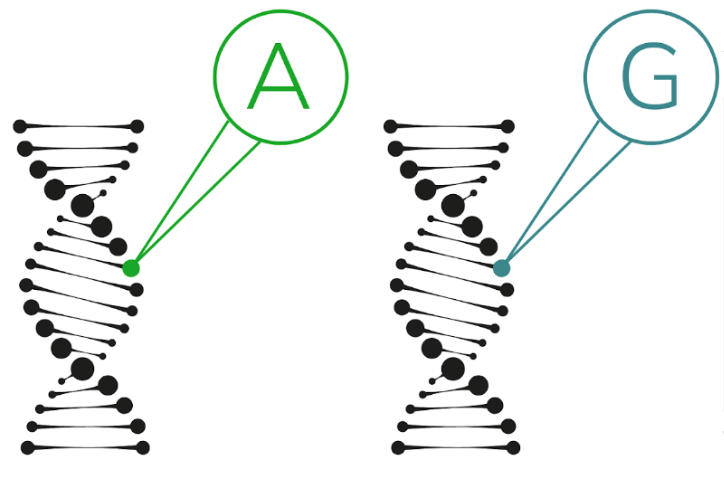
We will tell you more about the polygenic risk scoring methodology in a bit. Before that, to underline that most of today’s genetic risk scoring reporting is based on individual genetic variants that are found to be associated with a given trait. For example, let’s say a genetic variant associated with whether you can detect bitter taste or not or similar traits controlled by single genetic variants.
Interaction between genes and environmental factors triggers the development of Rheumatoid Arthritis. Therefore, testing your genes can tell you how susceptible you are to more severe joint damage if you have the condition. This may be very valuable to guide treatment options.
Medicine can be viewed as constantly evolving with discoveries and innovations continuously changing healthcare approaches. Innovations will always drive medicine forward, from vaccines to transplants to medical imaging. A prominent innovation in today’s medicine is personalized medicine.
Multiple companies are offering genetic tests in the South African market - which should you choose? The table in this article gives you several factors to consider when purchasing a DNA kit, but one of the most important factors to draw to your attention is the approach: the polygenic risk scoring (PRS) approach or the single-gene approach.
You may have seen the older version of this feature on your BioCertica App but it's out with the old and in with the new. We have updated the nutrition and meal plans feature to be more practical and useful. Here's a quick run-through of the new feature.
Heritage Day on 24 September recognises and celebrates the cultural wealth of our nation. South Africans celebrate the day by remembering the cultural heritage of the many cultures that make up the population of South Africa. Various events are staged throughout the country to commemorate this day.
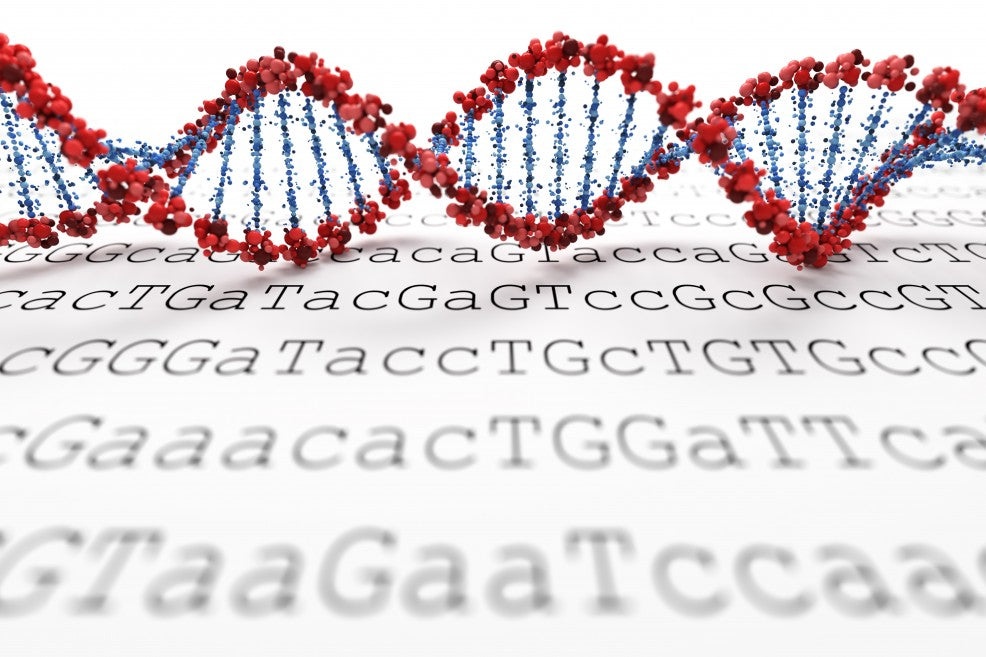
A polygenic risk score (PRS) is obtained from a comprehensive method used to estimate the relative genetic risks of being affected by a certain condition or inheriting a certain trait. Instead of giving the results of single genes which have been identified to contribute towards certain traits.
Overall, a genetic test for vitamin D deficiency can be a valuable tool for identifying individuals at risk for this condition. By analyzing a person's DNA, a healthcare provider can identify any genetic variations affecting their vitamin D levels and their risk for deficiency. This information can be used to develop a personalized plan for maintaining healthy vitamin D levels and reducing the risk of deficiency-related health problems.
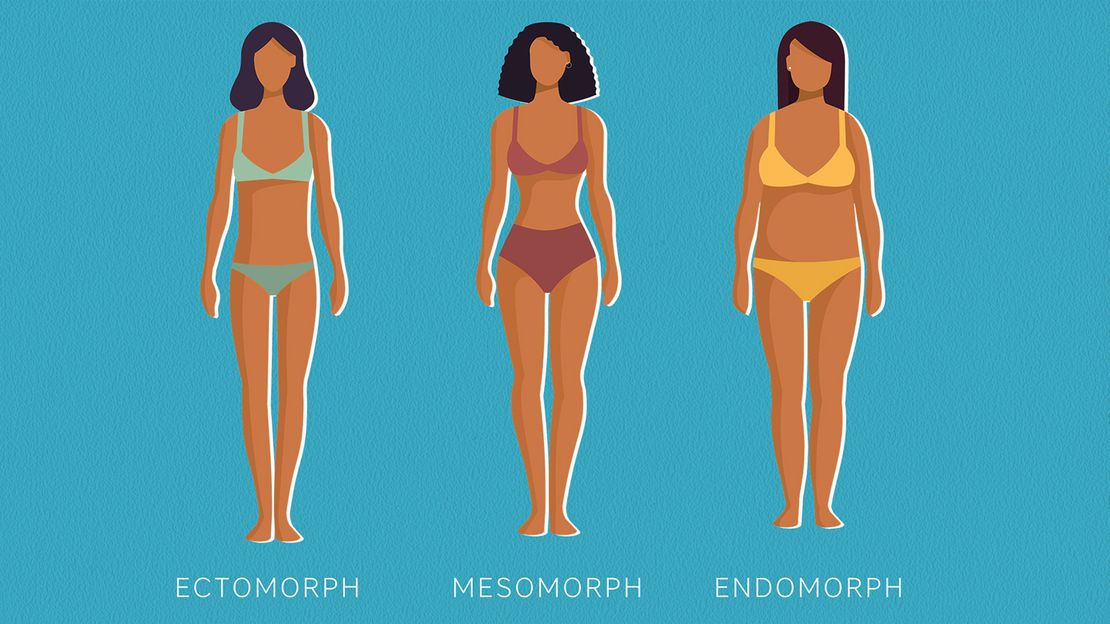
Delve into the world of body type. Find out your unique body type - ectomorph, mesomorph, or endomorph - and customize your fitness routines for optimal results.
“I'm truly astonished to see how accurately the fitness traits reflect my situation. I now have in-depth knowledge of how my genetics affects my training and can identify areas of improvement. This is what athletics is all about, constant improvement.” - Taylon.
Training program errors, inadequate muscle strengthening, imbalanced biomechanics (ineffective movement patterns), and genetics are among the factors that contribute to the risk of chronic injuries.
One way to make exercise less torturous is to exercise according to your genetic preferences, i.e., do the types of training for which your body is naturally built. If your genes make you less likely to engage in spontaneous physical activity, exercise must be as enjoyable as possible. Otherwise, chances are you won’t increase your physical activity levels.
Unlock the power of your body with a DNA test! Discover how understanding your body type (ecto, meso, endo) can optimize your health, sports performance, and nutrition. Tailor your routine to maximize your potential!
Genes play a crucial role in determining an individual's testosterone levels, which can significantly impact athletic performance. Testosterone is the primary male sex hormone but also plays a vital role in muscle development, bone density, and red blood cell production. In athletes, testosterone levels can be a predictor of their physical performance.
Genes play a crucial role in determining various physiological processes in the human body, and growth hormone levels are no exception. Growth hormone (GH) is produced by the pituitary gland that stimulates the growth and reproduction of cells in the body. It is essential for the development of bones, muscles, and other tissues and plays a key role in athletic performance.
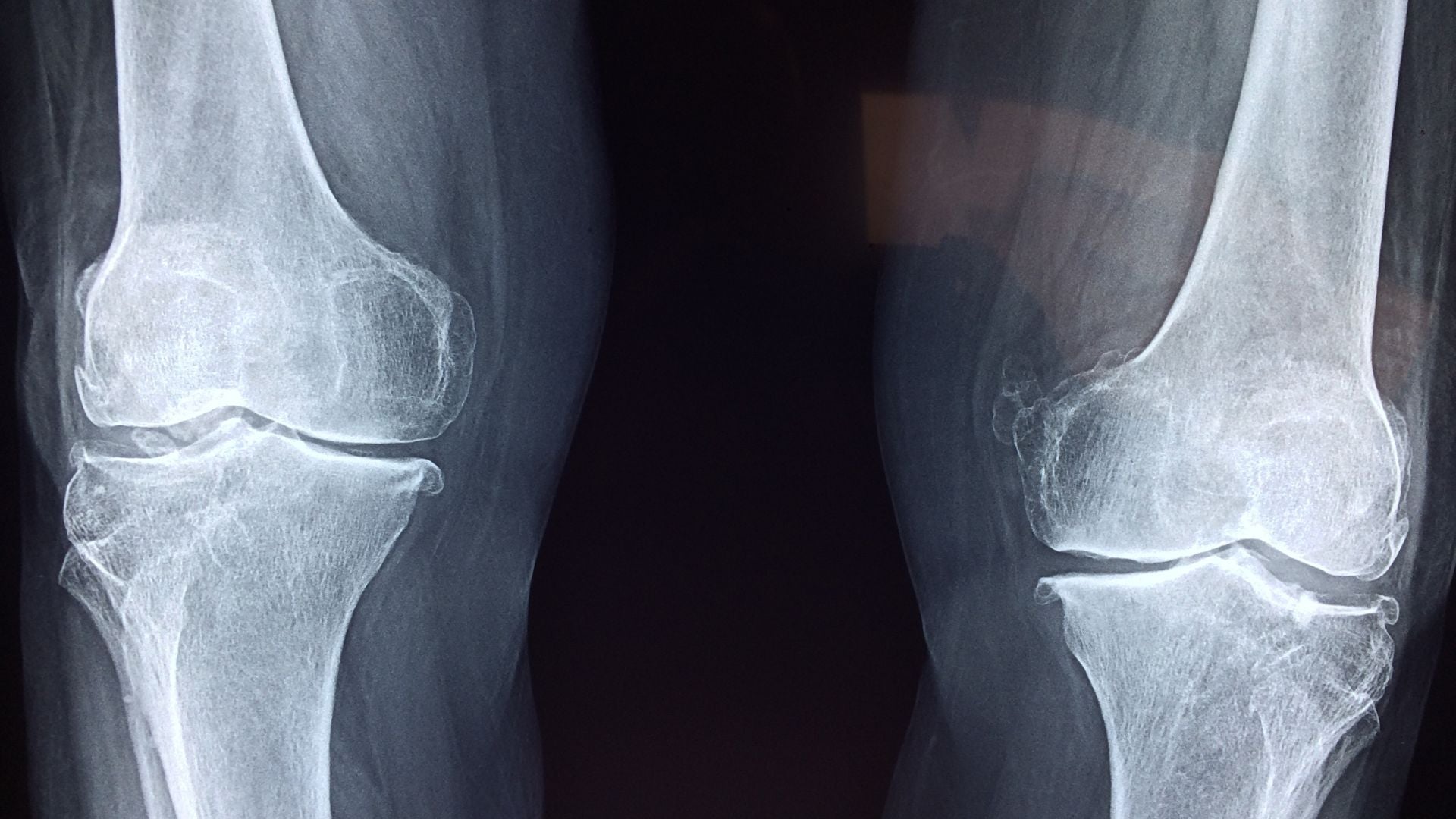
Osteoarthritis is a chronic joint disorder that affects millions of people worldwide. It is characterized by gradual wear and tear of the cartilage, the soft cushioning material between bones, leading to pain, stiffness, and reduced mobility. While age, obesity, injury, and repetitive joint use are some of the well-known risk factors for developing osteoarthritis, recent research has shown that genetics also play a significant role in the development of the disease.
Thus, your genetic predisposition to a higher or lower body fat percentage may be important when considering which sporting activities to invest your time and effort into. However, it's also important to note that while genetics may impact body fat percentage, it is not a determining factor. With the right diet and exercise regimen, anyone can improve their body fat percentage and reach their fitness and health goals.
The ACTN3 gene, also known as the 'sprinter gene,' has been the subject of much research in the field of sports science. This gene is believed to play a key role in determining athletic power and sports performance potential.

Lean body mass is an important metric in the sports and fitness world. However, few realize it is also crucial for general health and well-being. Lean body mass refers to all your mass, excluding your fat mass. Thus, it includes the mass of your bones, organs, connective tissue, blood, muscles and other tissues. Your muscles make up most of your lean body mass and are responsible for most of the interpersonal variability.
Handgrip strength is an important predictor of athletic performance potential. While training and nutrition play a big role in handgrip strength, it's also influenced by our genes. Research has shown that there are specific genes that are associated with handgrip strength and muscle mass, both of which are important factors in athletic performance.
Athletic performance is a complex and multi-faceted aspect influenced by various factors, including cardiovascular function. One important aspect of cardiovascular function is left ventricular (LV) stroke volume, which refers to the amount of blood the heart pumps out with each beat. This can greatly impact athletic performance, especially endurance performance.
Insulin-like Growth Factor 1 (IGF-1) is a hormone that plays a vital role in the growth and development of the human body. It has a significant impact on athletic performance as it influences muscle growth and helps the body to recover from physical activity. In this blog post, we will explore how genes influence IGF-1 levels and how this affects athletic performance.
Athletic performance is a complex and multi-faceted aspect that is influenced by various factors, including genetics. Hemoglobin, a protein found in red blood cells, is responsible for carrying oxygen from the lungs to the rest of the body. As such, a person's hemoglobin concentration can greatly impact their endurance performance.
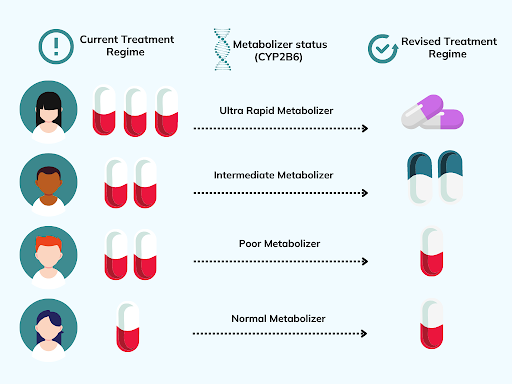
If you are looking for a pharmacogenomics report, you may have noticed a few on the market. You may have already read about the benefits of BioCertica’s pharmacogenetic test, but here we will dive into the usability of our report compared to a competitor’s report.
Pharmacogenetic testing is still a relatively new field, so much progress still needs to be made for this type of testing. As you may have read, in pharmacogenomic testing, DNA is genotyped and matched to known gene-drug interactions; however, there is no standardized approach for reporting this testing. This leads to many differences in how these reports are compiled and presented. Therefore BioCertica’s approach to presenting pharmacogenetic results is different from other companies that offer this testing in South Africa. For the sake of transparency, we would like to explain the difference.

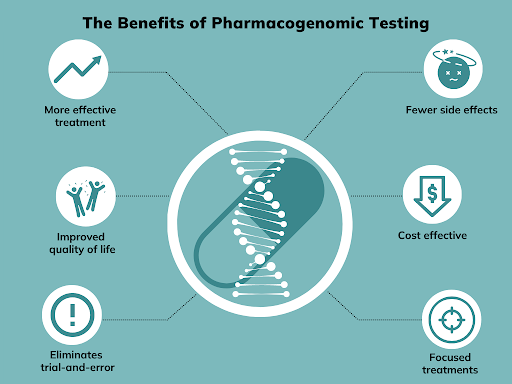
Recently, we at BioCertica introduced a pharmacogenetics test as a new brand product. However, since it is a new product, it is natural to face doubts and questions about its quality, or if it is worth buying it. Whether or not someone thinks it is worth doing, a pharmacogenetics test is a personal decision that depends on individual circumstances. Therefore, we need to carefully consider all benefits and limitations that these tests may have. Here we will discuss some of them.
Genotypes can be homozygous or heterozygous. A homozygous genotype is when the two alleles are the same, for example TT or CC. A heterozygous genotype is when the who alleles are different, for example AT or CA. You may have noticed that in the case of heterozygous genotypes, the order in which they are written sometimes differs.
Psychiatric disorders contribute to 14% of the global burden of disease and are estimated to affect nearly 450 million people, and approximately one-third of those affected are considered to have long-term disability and dependency. Sadly, about half of the patients with major psychiatric disorders are non-adherent to their treatments. Although other factors that affect medication non-adherence among them are medication side effects and efficacy [1]. So the question is: can pharmacogenetic testing impact treating psychiatric illness?
Genetic predisposition to long-term memory is a topic that has garnered significant attention in recent years as researchers have begun to uncover the genetic basis of this complex cognitive trait. Long-term memory is a type of memory that allows us to retain information over extended periods. It plays a crucial role in our ability to learn, adapt, and navigate the world around us.
While the exact cause of ADHD is not fully understood, research suggests that genetic and environmental factors influence the disorder. In particular, studies have shown that genetic variations can significantly affect a person's predisposition to ADHD.
Intelligence is a complex trait influenced by many factors, including genetics. While it is impossible to predict a person's intelligence with certainty based solely on their genetic makeup, research has shown that certain genetic variants are associated with a higher likelihood of having higher non-verbal intelligence.

Baldness, also known as alopecia, is a common condition that affects many men. While some men may experience baldness due to aging or other factors, others may be genetically predisposed to the condition.
Working memory is an essential cognitive function that temporarily allows us to store and manipulate information in our minds. The mental workspace will enable us to perform complex mental tasks such as problem-solving and decision-making. Working memory is a critical aspect of our daily lives and is closely linked to our ability to learn, reason, and pay attention.
Pair bonding and sociability are important aspects of human behavior and relationships. Research has shown that there is a genetic component to these traits, which means that some people may be more predisposed to forming strong bonds with others and being more sociable than others.
Vitamin A is a vital nutrient for overall health and wellness, but did you know genetics play a role in how your body responds to and utilizes this essential vitamin? A genetic predisposition to Vitamin A in skincare can impact how well your skin absorbs and benefits from skincare products containing this nutrient.
Vitamin B12 is an essential nutrient that plays a crucial role in maintaining good health. It is important for the proper functioning of the brain and nervous system, as well as the formation of red blood cells. A deficiency in vitamin B12 can lead to a number of health problems, including anemia, fatigue, weakness, and nerve damage.
Vitamin B6, also known as pyridoxine, is an essential nutrient that plays a crucial role in maintaining healthy skin. It is involved in the production of collagen, the main structural protein found in the skin, as well as in the metabolism of fatty acids, which are important for maintaining the integrity of the skin's protective barrier.
While the exact cause of alopecia areata is unknown, research suggests that genetics may play a role in its development. Studies have shown that individuals with a family history of the condition are more likely to develop it. Additionally, certain common genetic variants have been identified as increasing the risk of developing alopecia areata.
Appendicitis is a common medical condition that occurs when the appendix, a small, thin pouch attached to the large intestine, becomes inflamed or infected. The condition can cause severe abdominal pain and discomfort and, in some cases, can be life-threatening. While genetics may play a role in its development, other factors such as diet and lifestyle also contribute to its occurrence.

Studies have shown that individuals with a family history of the condition are more likely to develop it. Additionally, certain genes have been identified as increasing the risk of developing dermatomyositis. The symptoms of dermatomyositis typically include muscle weakness, particularly in the muscles closest to the body's trunk, such as the neck, shoulders, and hips.
While the exact role of genetics in developing IgA nephropathy is not fully understood, studies have suggested that certain genetic variations may increase the risk of developing the disease. If you have a genetic predisposition or a family history of IgA nephropathy or kidney disease, it's important to talk to your healthcare provider about monitoring your kidney function and taking steps to prevent kidney damage.


In conclusion, MS is a chronic autoimmune disorder that affects the central nervous system and can result in various symptoms, primarily muscle weakness. While the exact cause of MS is not fully understood, genetic factors are known to play a role in its development.
In conclusion, late-onset myasthenia gravis is a rare autoimmune disorder affecting the control of the body’s voluntary muscles, especially those of the face and respiratory system. While the exact cause is unknown, genetics may play a role in its development. Early recognition and prompt treatment can help manage symptoms and prevent complications - find out your genetic predisposition today!
Oligoarticular JIA is characterized by inflammation in fewer than five joints, most commonly in the knees or ankles. Arthritis is a disease condition that involves the degeneration of joints. Juvenile refers to children/youth, while idiopathic refers to diseases or conditions of which the cause is unknown; it develops spontaneously without explanation. However, genes have been found to play a role.

Ankylosing spondylitis is a chronic autoimmune disorder that primarily affects the spine. Several genes have been identified as potential contributors to its development. The most significant of these genes is the HLA-B27 gene, found in up to 95% of people with the condition. However, having the HLA-B27 gene does not necessarily mean an individual will develop ankylosing spondylitis. Other genetic and environmental factors may also be involved.

Early diagnosis and treatment of PBC can help prevent complications and improve outcomes. If you experience any symptoms associated with PBC, it's important to seek medical attention as soon as they arise. If you know you have a genetic predisposition for PBC, routine blood tests can greatly extend your health and life.
Stress is a significant trigger that can contribute to the development of lupus, especially in genetically predisposed individuals. Thus, for prevention, the most important consideration would be stress management.
While the exact cause of systemic sclerosis is unknown, research suggests that genetics and environmental factors play a role in its development. Studies have shown that certain genes may increase the risk of developing the disease, and exposure to environmental factors such as toxins, infections, or trauma may trigger the immune system to attack the body's tissues.
Takayasu’s arteritis is mostly diagnosed before the age of 40. Awareness of your genetic susceptibility to developing this disease may greatly aid in the diagnosis thereof. Early recognition and prompt treatment can help manage symptoms and prevent complications.